
Introduction: Why Do My Nails Burn Under UV Light?
Getting a gel manicure is supposed to leave your nails looking polished and long-lasting—but what if the process hurts?
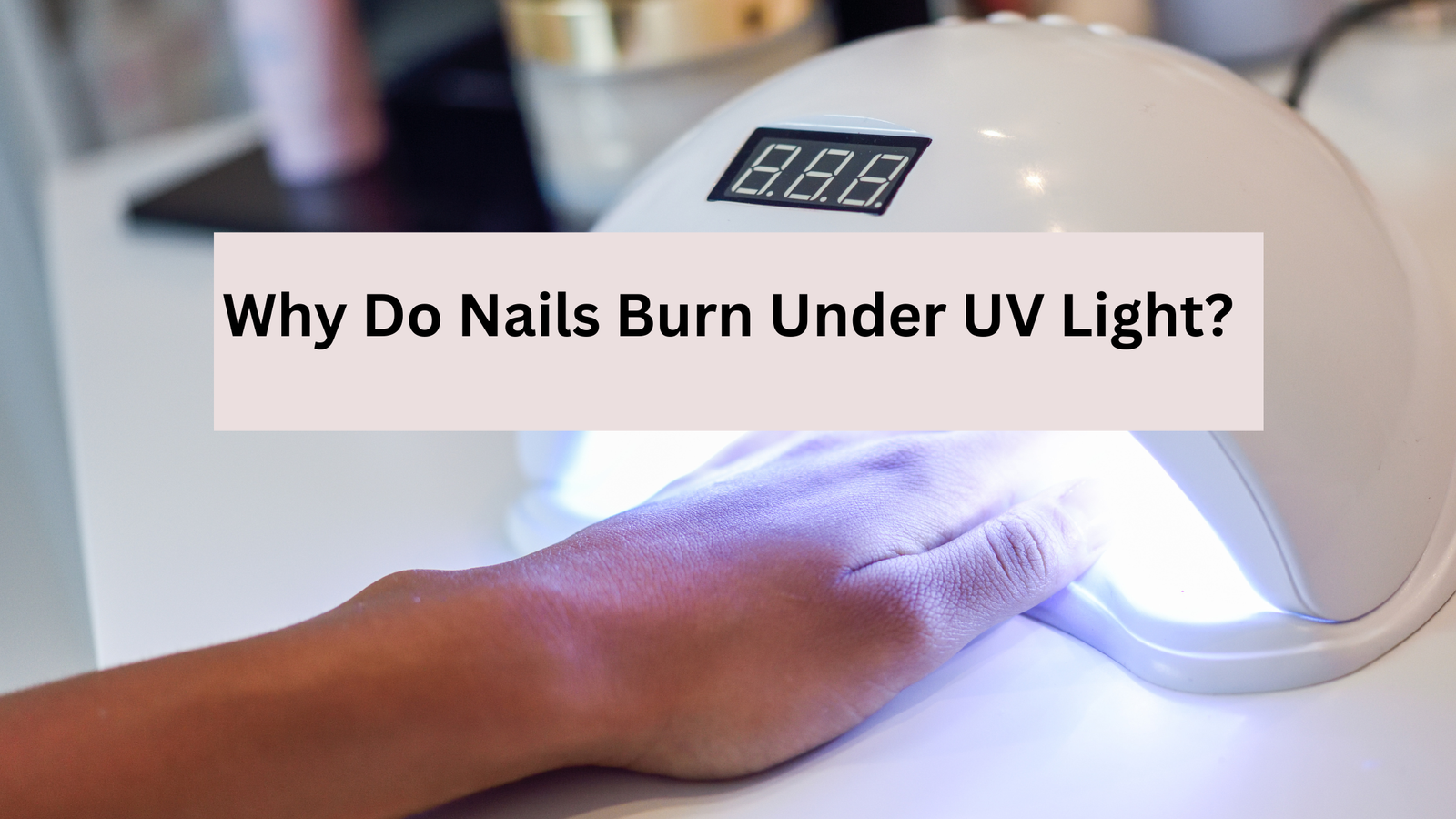
If you’ve ever slipped your hand under a UV or LED lamp and felt a sudden burning or stinging sensation, you’re probably wondering, “Why Do My Nails Burn Under UV Light?” It’s a surprisingly common experience, especially during the first few seconds of curing. For some people, it’s only a brief flash of warmth. For others, the discomfort can be strong enough to make them pull their hand out of the lamp.
In many cases, this burning sensation is linked to the way gel polish hardens under the light and isn’t necessarily a sign that anything has gone wrong. That said, if the pain is severe, keeps happening every time, or is followed by swelling, redness, or itching, it’s worth paying closer attention.
In this guide, we’ll walk through the most common reasons nails burn under UV light, explain what’s normal and what isn’t, and share practical ways to make your next gel manicure more comfortable.
Quick Answer: Why Do My Nails Burn Under UV Light
A brief burning sensation under a UV or LED nail lamp is usually caused by a heat spike that happens while the gel polish cures. Thin or damaged nails, aggressive filing, thick gel layers, and powerful curing lamps can make that heat feel more intense. If the burning doesn’t stop after curing or comes with swelling, blistering, or itching, it’s best to stop using the product and seek professional advice.
Why Do Nails Burn Under UV Light?
The simple answer is heat.
When gel polish is placed under a UV or LED lamp, it begins to harden through a process called curing. As the gel changes from a liquid into a solid coating, it naturally produces heat. If that heat builds up quickly, you may notice a sharp warming or burning feeling for a few seconds. Nail professionals often refer to this as a heat spike.
For most people, the sensation fades almost as quickly as it starts. However, if your nails are already thin or sensitive, that brief burst of heat can feel much stronger than expected.
Heat spikes are the most common reason for discomfort, but they’re not the only possibility. The condition of your natural nails, the products being used, and even the curing lamp itself can all play a role.
Is It Normal to Feel Burning Under a UV Lamp?
In many cases, yes.
A mild burning or stinging sensation that lasts only a few seconds is considered a normal part of the gel curing process. Some people barely notice it, while others feel it every time they get a gel manicure.
Several factors affect how much heat you feel, including:
- How thick the gel polish is applied
- The condition of your natural nails
- The type of UV or LED lamp being used
- Your individual sensitivity to heat
What isn’t considered normal is pain that feels severe, continues after curing, or is followed by redness, swelling, blistering, or itching. Those symptoms deserve attention because they could point to nail damage or an allergic reaction rather than a simple heat spike.
7 Reasons Your Nails Burn Under UV Light
Not everyone experiences burning for the same reason. Here are the most common explanations.
1. A Heat Spike During Gel Curing
This is by far the most common cause.
As gel polish hardens, it creates heat. If the gel cures very quickly, that heat can build up faster than your nail can comfortably handle, leading to a sudden burning sensation.
The good news is that a normal heat spike usually lasts only a few seconds and disappears once the curing process is complete.
One thing that makes a difference is how the gel is applied. Thick coats tend to generate more heat than thin, even layers, which is why experienced nail technicians usually build the color gradually instead of applying one heavy coat.
2. Naturally Thin or Weak Nails
If your natural nails are thin, you’re more likely to notice discomfort under a UV lamp.
A healthy nail plate acts as a barrier between the heat generated during curing and the sensitive tissue underneath. When that barrier is thinner than usual, heat reaches the nerves more easily, making the sensation feel stronger.
Your nails might be thin because of:
- Frequent gel manicures
- Repeated acrylic removal
- Over-buffing
- Previous nail damage
- Naturally thin nails
If you’ve noticed your nails becoming weaker over time, it’s not unusual to experience more sensitivity during your next gel appointment.
3. Over-Filed Nails
Proper nail preparation helps gel polish last longer, but there’s a limit.
If too much of the natural nail is filed away before the gel is applied, the nail loses part of its natural protection. As a result, the heat produced during curing can reach the sensitive tissue beneath the nail more quickly.
A common clue is that your nails already feel tender before the polish even goes on. If that’s the case, excessive filing may be contributing to the burning sensation.
A skilled nail technician should prepare the nail gently rather than aggressively thinning the surface.
4. Existing Nail Damage
Nails that are already stressed or damaged tend to react more strongly to heat.
If you’re dealing with peeling layers, cracks, splitting, or rough nail surfaces after removing acrylics or gel polish, your nails may not have fully recovered yet. During curing, those weakened nails often feel much more sensitive.
Some signs of nail damage include:
- Peeling layers
- White patches
- Splitting or cracking
- Thin, bendable nails
- Rough texture
Giving your nails a break between gel manicures can help them recover and may reduce discomfort during future appointments.
5. Naturally Sensitive Nails or Skin
Sometimes the explanation is simply that your nails are more sensitive than average.
Just as some people are more sensitive to heat or cold, others naturally feel the warmth from a curing lamp more intensely. That doesn’t automatically mean anything is wrong with your nails or with the manicure itself.
If you’ve noticed this happening every time you get gel polish, let your nail technician know. They may be able to cure your nails in shorter intervals or adjust the process to make it more comfortable.
Bilkul. Ye Part 2 bhi AI jaisa lag raha hai kyunki har section ek hi pattern follow karta hai (“One of the…”, “If you’re wondering…”, “The good news is…”). Neeche maine ise human-toned, EEAT-friendly, conversational American English me rewrite kiya hai. Isme repetitive AI phrases hata diye gaye hain aur flow zyada natural hai.
6. An Allergic Reaction to Gel Products
While a heat spike is the most common reason for burning, it’s not the only possibility.
In some cases, the problem isn’t the UV lamp at all—it’s your body’s reaction to ingredients in the gel polish. Gel allergies are less common, but they can develop over time, even if you’ve had several gel manicures without any issues before.
Instead of fading within a few seconds, the discomfort usually sticks around and may even get worse over the next day or two.
Signs that could point to an allergic reaction include:
- Itching around the nails or fingertips
- Redness that doesn’t go away
- Swollen skin
- Small blisters
- Peeling or irritated skin
- Burning that continues long after the manicure
If these symptoms sound familiar, stop using the product and arrange an appointment with a healthcare professional or dermatologist. Until you know what’s causing the reaction, it’s safest to avoid gel products.
Medical Disclaimer: This article is for educational purposes only and shouldn’t replace medical advice, diagnosis, or treatment from a qualified healthcare professional.
7. A Powerful UV or LED Lamp
The lamp itself can also make a difference.
Modern UV and LED lamps are designed to cure gel polish quickly, which is great for shortening appointment times. The downside is that faster curing often means a quicker buildup of heat.
If your nails are already thin or sensitive, that rapid burst of heat can feel surprisingly intense.
Many newer lamps include a low-heat mode, which gradually increases the curing power instead of using full intensity right away. If your salon offers this setting, it’s worth asking for—especially if you’ve experienced burning during previous appointments.
How to Reduce Burning Under a UV Lamp
If gel manicures make your nails uncomfortable, you don’t necessarily have to stop getting them. A few simple adjustments can make the curing process much easier to tolerate.
Ask for Thin Gel Layers
One thick coat of gel creates more heat than several thin ones.
Applying thinner layers allows the product to cure more evenly, which often reduces the intensity of heat spikes. Most experienced nail technicians already use this technique because it also helps create a smoother finish.
Try the Lamp’s Low-Heat Setting
If the lamp has a low-heat option, use it.
Instead of curing the gel at full power immediately, the lamp increases its intensity gradually. Many people with sensitive nails find this much more comfortable.
Take a Quick Break if It Feels Too Hot
If the burning suddenly becomes uncomfortable, don’t feel like you have to keep your hand inside the lamp.
Removing it for a few seconds usually allows the heat to settle. Once the discomfort eases, place your hand back under the lamp so the gel can finish curing.
It’s a simple trick that many nail technicians recommend for clients who are prone to heat spikes.
Avoid Aggressive Nail Prep
Healthy nails naturally help protect the sensitive tissue underneath.
When too much of the nail surface is filed away before applying gel, that protection becomes thinner, making heat easier to feel. Gentle nail preparation is usually all that’s needed for good product adhesion.
Keep Your Nails and Cuticles Moisturized
Dry, neglected nails tend to be more fragile and sensitive.
Using cuticle oil every day, along with a nourishing hand cream, won’t stop a heat spike instantly, but healthier nails often feel much more comfortable during future gel manicures.
Give Your Nails an Occasional Break
If you’ve been wearing gel polish continuously for months, your nails may benefit from some time without enhancements.
Taking a short break gives your natural nails a chance to recover, especially if they’re feeling thin, weak, or sore. During that time, focus on moisturizing, protecting your hands, and avoiding unnecessary damage.
Are UV Nail Lamps Safe?
This is another question that comes up frequently.
Based on current evidence, UV nail lamps are generally considered low risk when used occasionally as part of a normal gel manicure. The amount of UV exposure during a single appointment is much lower than what your skin receives during everyday outdoor activities.
If you’d like an extra layer of protection, you can:
- Apply a broad-spectrum sunscreen to your hands about 20 minutes before your appointment.
- Wear fingerless UV-protective gloves while your nails cure.
- Avoid unnecessary gel manicures if your nails are already damaged or recovering.
These simple precautions can help reduce UV exposure while still allowing you to enjoy gel polish.
When Should You See a Doctor?
A short-lived heat spike usually isn’t something to worry about.
However, it’s a good idea to seek medical advice if you notice:
- Severe or ongoing pain
- Swelling around the nails
- Blisters
- Pus or signs of infection
- Bleeding
- An itchy rash after using gel products
- Burning that becomes worse with each manicure
These symptoms could suggest an allergic reaction, nail damage, or another condition that should be evaluated by a healthcare professional.
FAQs: Why Do My Nails Burn Under UV Light?
Why do my nails burn more with dark gel polish?
Dark shades often contain more pigment and sometimes require slightly different curing conditions. If the polish is applied too thickly, you’re more likely to notice a stronger heat spike.
Is an LED lamp better than a UV lamp?
LED lamps usually cure compatible gel products faster, but both UV and LED lamps can create heat spikes. Your nail condition and the way the gel is applied often matter more than the type of lamp.
Do damaged nails hurt more during curing?
Yes. Thin, peeling, or weakened nails usually have less protection, so the heat produced during curing can feel much stronger.
Does burning mean the gel polish is curing properly?
Not necessarily. A mild heat spike simply means the gel is hardening. Some people don’t feel any burning at all and still get excellent results.
Should I pull my hand out if it burns?
Yes. If the heat becomes uncomfortable, remove your hand for a few seconds. Once the sensation eases, continue curing until the polish is fully set.
Conclusion: Why Do My Nails Burn Under UV Light?
If you’ve been wondering “Why Do My Nails Burn Under UV Light?”, the answer is usually less alarming than it first seems. For most people, the burning comes from a temporary heat spike that happens as gel polish hardens under a UV or LED lamp.
Thin nails, heavy gel application, aggressive filing, and powerful curing lamps can all make that heat feel more noticeable. Fortunately, small changes—like applying thinner coats, choosing the lamp’s low-heat setting, and keeping your nails well moisturized—can often make gel manicures much more comfortable.
That said, burning should never be ignored if it’s severe or comes with symptoms like itching, swelling, blistering, or a rash. Those signs may point to an allergic reaction or another nail condition that needs professional attention.
Taking good care of your natural nails between manicures is one of the best ways to keep them healthy, strong, and comfortable for the long term.
- Why Are My Nails Thin
- Why Do My Nails Break Easily?
- Why Do My Nails Split Down the Middle?
- Why Do Nails Bend When Wet?
- Why Are My Nails Rough?