
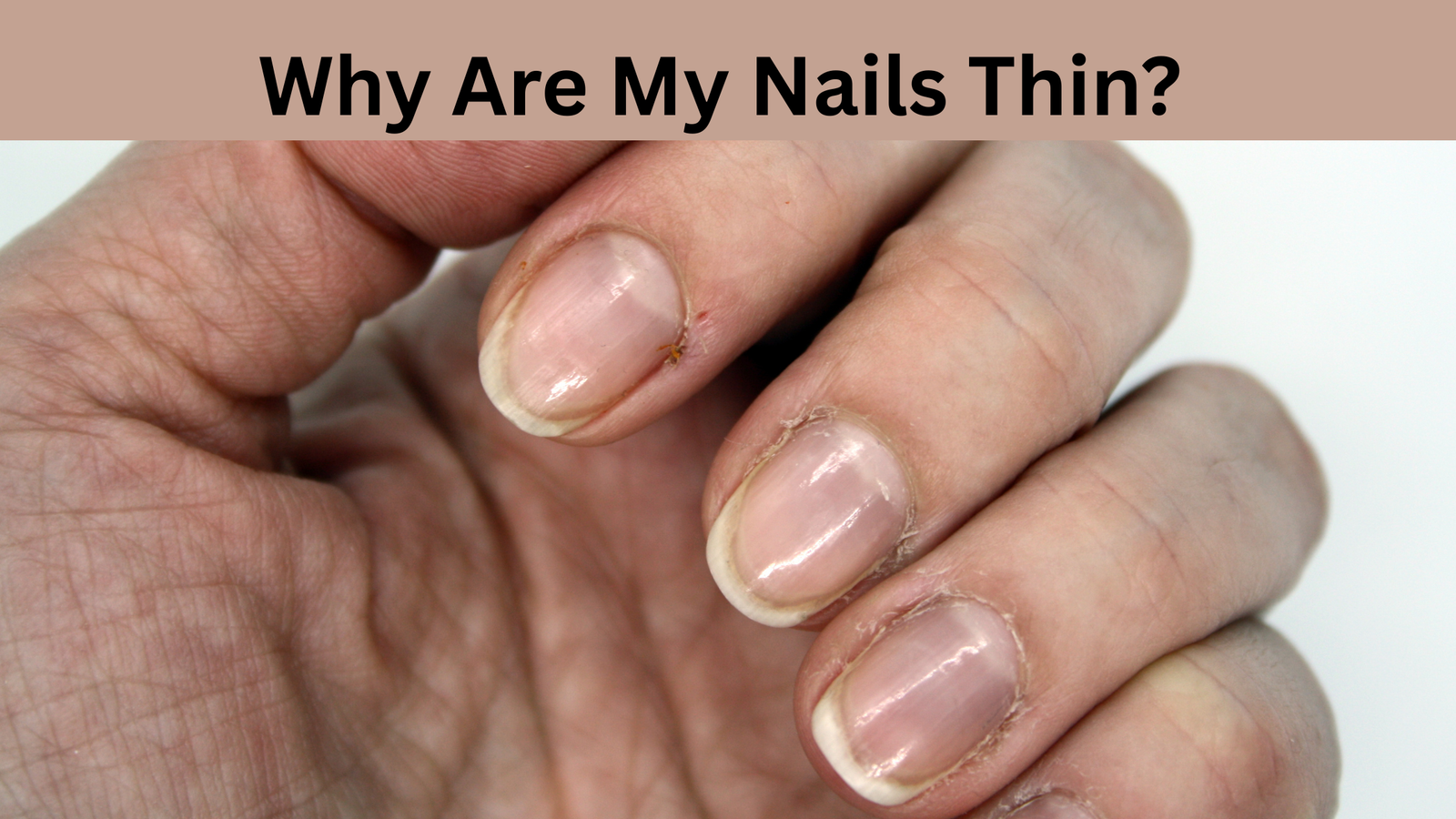
Introduction: Why Are My Nails Thin?
Have you noticed that your nails have become thinner, softer, or more likely to break than they used to be? If so, you’re definitely not alone. Many people search “Why Are My Nails Thin” when they notice their nails bending easily, peeling in layers, or breaking without any obvious reason.
Healthy nails are usually smooth, strong, and slightly flexible. However, if your nails start feeling paper-thin, begin peeling into layers, or look more transparent than usual, it may be a sign that they need better care. In some cases, it could also be linked to an underlying health condition.
The good news is that, in most cases, thin nails can become stronger again. With the right nail care routine, a balanced diet, and a little patience, healthier nails are absolutely possible.
In this article, you’ll learn:
- What thin nails actually mean
- The most common signs of thin nails
- Why Are My Nails Thin and the most common causes
- Whether thin nails can become strong again
- Natural ways to strengthen thin nails
What Does It Mean If Your Nails Are Thin?
Thin nails mean that the nail plate has lost some of its natural thickness and strength. Instead of feeling firm and durable, thin nails tend to bend easily, peel into layers, or break with very little pressure.
Many people use the terms thin nails,” “weak nails,” “flexible nails,” and “peeling nails” interchangeably, but they actually describe slightly different nail conditions.
Thin Nails
Thin nails have a reduced nail plate thickness. They often appear more transparent at the tips and feel delicate or fragile.
Flexible Nails
A small amount of flexibility is normal in healthy nails. However, if your nails bend too easily without much pressure, it may indicate that the nail structure has become weaker.
Weak Nails
Weak nails are more likely to crack, chip, or break because they no longer have the strength to handle everyday activities.
Peeling Nails
Peeling nails occur when the top layers of the nail begin separating from each other. This is commonly caused by dryness or damage to the nail plate.
Many people experience several of these symptoms at the same time.
Common Signs of Thin Nails
Thin nails don’t always look the same for everyone, but several common signs indicate your nails may be becoming weaker.
- Nails bend easily with light pressure.
- The edges tear instead of staying smooth.
- The nail layers begin to peel.
- Nails develop splits or cracks.
- They break more often than normal.
- The tips become more transparent.
- Nail polish chips quickly because the nail surface is weak.
Why Are My Nails Thin?
If you’ve been wondering, “Why Are My Nails Thin?” there’s usually not just one answer. In many cases, several different factors work together to weaken the nail plate over time.
Frequent Hand Washing
Washing your hands regularly is important for good hygiene, but doing it too often can strip away the natural oils that help keep your nails healthy.
When nails repeatedly absorb water and then dry out, they expand and contract. Over time, this cycle weakens the nail layers, making them more likely to peel or split.
Tip: Apply a hand cream or cuticle oil after every hand wash to help restore moisture.
Too Much Water Exposure
It’s not just frequent hand washing that can weaken your nails. Spending long periods with your hands in water can also make them softer and thinner.
If you regularly wash dishes, swim, or do cleaning work, your nails may become more fragile over time.
Wearing waterproof gloves while cleaning can help protect your nails from excessive moisture.
Acetone Nail Polish Remover
Acetone is highly effective at removing nail polish, but it also removes the natural oils that keep nails healthy.
Using acetone too often may cause the following:
- Dry nails
- Peeling nail layers
- Brittle nails
- Thinner nail edges
After using acetone, always apply a moisturizer or cuticle oil to help reduce dryness.
Gel Polish
Gel manicures are popular because they last much longer than regular nail polish. However, frequent gel manicures or improper removal can damage the top layer of your natural nails.
Many people peel off gel polish instead of removing it correctly. This can pull away parts of the natural nail, making it appear thinner afterward.
Acrylic Nails
Acrylic nails don’t permanently damage healthy nails. However, repeated acrylic applications, aggressive filing, or improper removal can temporarily weaken the natural nail.
After removing acrylic nails, many people notice the following:
- Increased nail sensitivity
- Peeling
- Thinner-looking nails
- More frequent breakage
The good news is that healthy new nail growth can gradually improve the condition over time.
Poor Nutrition
Your nails are primarily made of keratin, a structural protein. If your body isn’t getting enough essential nutrients, nail growth and strength may be affected.
Important nutrients for healthy nails include:
- Protein
- Iron
- Zinc
- Vitamin B12
- Vitamin D
- Healthy fats
Eating a balanced, nutrient-rich diet helps support overall nail health.
Iron Deficiency
Iron plays an important role in carrying oxygen throughout the body.
In some people, iron deficiency may contribute to brittle or thin nails. Other possible symptoms include fatigue, pale skin, and weakness.
However, thin nails alone do not confirm an iron deficiency. A proper medical evaluation is needed to determine the underlying cause.
Biotin Deficiency
Biotin (Vitamin B7) is an important nutrient that supports healthy hair, skin, and nails.
If your body doesn’t get enough biotin, it may contribute to weaker nails in some cases.
However, not everyone needs a biotin supplement. It’s always best to speak with a healthcare provider before starting any supplement.
Aging
As we get older, it’s completely normal for our nails to change.
Common age-related nail changes include:
- Slower nail growth
- Thinner nails
- More noticeable ridges
- Increased dryness
These changes are often a normal part of the aging process.
Certain Medical Conditions
In some cases, thin nails may be associated with an underlying medical condition, such as thyroid disorders, certain skin conditions, or nutritional deficiencies.
If your nails suddenly become much thinner, painful, change color, or begin separating from the nail bed, it’s important to consult a healthcare professional.
Medical Disclaimer: This article is for educational purposes only and should not be considered medical advice. Always consult a qualified healthcare provider for diagnosis or treatment.
Can Thin Nails Become Strong Again?
Yes. In most cases, thin nails can become stronger over time.
Your nails grow continuously, meaning damaged nail tissue is gradually replaced by healthy new growth. If your thin nails are caused by excessive water exposure, gel polish, acrylic nails, or harsh chemicals, improving your nail care routine can make a noticeable difference.
However, if an underlying medical condition or nutritional deficiency is responsible, treating the root cause is equally important.
The key is consistency. Nails don’t become stronger within a week or two. Following healthy nail care habits regularly gives your nails the best chance to recover.
How to Strengthen Thin Nails Naturally
Eat Enough Protein
Keratin, the main component of your nails, is a type of protein. Without enough protein in your diet, nail growth and strength may suffer.
Good protein sources include:
- Eggs
- Chicken
- Fish
- Greek yogurt
- Lentils
- Beans
Eat Biotin-Rich Foods
Biotin (Vitamin B7) supports healthy nail growth. While supplements aren’t necessary for everyone, including biotin-rich foods in your daily diet may help support stronger nails.
Good food sources include the following:
- Eggs
- Almonds
- Sweet potatoes
- Salmon
- Sunflower seeds
Apply Cuticle Oil Daily
Cuticle oil helps moisturize both your nails and the surrounding skin.
Since dry nails are more likely to crack and peel, applying cuticle oil every day is a simple but effective habit.
Best times to apply:
- Morning
- Before bed
Why Are My Nails Thin? Expert Tips to Make Weak Nails Strong Again
Moisturize After Every Hand Wash
Applying moisturizer after every hand wash helps replace the moisture your hands and nails lose throughout the day.
Benefits include:
- Reduced dryness
- Improved nail flexibility
- Lower risk of breakage
Wear Gloves During Cleaning
Household cleaning products and prolonged water exposure can weaken your nails.
Wearing rubber gloves while washing dishes or cleaning helps protect your nails from unnecessary damage.
Avoid Harsh Chemicals
Harsh detergents, acetone removers, and strong cleaning products can weaken the nail plate.
Whenever possible:
- Choose a gentle nail polish remover.
- Use mild hand soaps.
- Moisturize after cleaning.
Keep Nails Short
If your nails are recovering, keeping them short is usually the best option.
Short nails are:
- Less likely to break
- Less likely to split
- Easier to maintain
File Nails Correctly
Filing your nails aggressively can make them even weaker.
For the best results:
- Use a fine-grit nail file.
- File in one direction only.
- Avoid a back-and-forth sawing motion.
Stay Hydrated
When your body is dehydrated, your skin and nails can become dry as well.
Drinking enough water throughout the day supports overall nail health.
Get Enough Sleep
Your body repairs itself while you sleep.
Getting enough quality sleep supports overall health and may also contribute to healthier nail growth.
Foods That Support Healthy Nails
The foods you eat play an important role in keeping your nails healthy and strong. While no single food can instantly fix thin nails, a balanced diet rich in essential nutrients supports healthy nail growth over time.
| Food | Key Nutrient | How It Helps |
|---|---|---|
| Eggs | Protein | Supports healthy nail growth |
| Salmon | Omega-3 fatty acids | Helps keep nails healthy and hydrated |
| Beans | Protein | Supports nail structure and strength |
| Spinach | Iron | Helps support healthy nail growth |
| Nuts | Healthy fats | May help reduce dryness and brittleness |
Habits That Make Thin Nails Worse
Certain everyday habits can make thin nails even more fragile. Avoiding these behaviors can help protect your nails while they recover.
Bite Your Nails
Nail biting damages the nail plate and the surrounding skin. It can also increase the risk of infection and slow healthy nail growth.
Peel Off Gel Polish
Peeling off gel polish removes part of your natural nail along with the polish, leaving the nail plate thinner and weaker.
Use Your Nails as Tools
Using your nails to open cans, scrape labels, or pry objects apart puts unnecessary stress on the nail plate and increases the risk of splitting or breaking.
Use Harsh Soaps
Strong soaps and cleaning products can strip away the natural oils that help keep nails flexible and healthy.
Expose Nails to Hot Water
Frequent exposure to very hot water can dry out your nails, making them more likely to become brittle and peel.
Pick Off Nail Polish
Scratching or picking off nail polish can remove the top layers of your natural nails, making them feel thinner over time.
Daily Routine for Thin Nails
Following a simple daily routine can help protect your nails and encourage healthier growth.
Morning
- Apply a moisturizing hand cream.
- Massage cuticle oil into your nails.
- Eat a protein-rich breakfast.
Afternoon
- Wear gloves while cleaning or washing dishes.
- Stay hydrated throughout the day.
- Avoid using your nails as tools.
Night
- Apply a rich hand moisturizer.
- Massage cuticle oil around each nail.
- Keep your hands well moisturized before going to bed.
Weekly
- Trim your nails regularly.
- File them gently in one direction.
- Give your nails a break from polish whenever possible.
How Long Does It Take Thin Nails to Recover?
If you’re asking, “Why Are My Nails Thin?” you may also be wondering how long recovery takes.
The answer depends on what’s causing your thin nails and how consistently you care for them.
In general:
- About 3 months: You may begin noticing early improvements.
- Around 4 months: Healthier nail growth often becomes more visible.
- Up to 6 months: Most fingernails have grown out enough to replace much of the damaged nail.
Because fingernails grow slowly, it’s important to be patient. Healthy nail growth takes time, and consistent care usually produces the best results.
When Should You See a Doctor?
While thin nails are often related to everyday habits or minor nutritional issues, some nail changes should be evaluated by a healthcare professional.
Consider seeing a doctor if you notice:
- Nail pain or tenderness
- Signs of infection
- A dark brown or black line under the nail
- Swelling or persistent redness
- Sudden severe thinning without an obvious cause
- Nails separating from the nail bed
A healthcare provider can determine whether an underlying medical condition is contributing to your nail changes.
FAQs: Why Are My Nails Thin,
Why are my nails suddenly thin?
Thin nails can develop because of frequent water exposure, nail products, nutritional deficiencies, aging, or certain medical conditions.
Can stress make nails thin?
Stress may indirectly affect nail growth and can contribute to nail problems in some people.
Are thin nails permanent?
No. In many cases, thin nails improve with proper nail care, a balanced diet, and consistent healthy habits.
Does nail polish cause thin nails?
Regular nail polish usually doesn’t cause permanent damage. However, frequent gel manicures and improper removal may weaken the nail plate.
Can biotin help thin nails?
Biotin may help some people, especially if they have a deficiency. However, it isn’t a guaranteed solution for everyone.
Should I stop getting gel nails?
If your nails are already thin or damaged, taking a break from gel manicures may allow them to recover.
Why are my nails thin after acrylics?
Repeated filing and improper acrylic removal can temporarily weaken the natural nail, making it appear thinner until healthy new nail growth replaces it.
How often should I moisturize my nails?
For best results, apply moisturizer after every hand wash and use cuticle oil at least once or twice a day.
Why are my nails peeling?
Peeling nails are commonly caused by dryness, repeated water exposure, harsh chemicals, or physical damage to the nail plate.
Can dehydration affect my nails?
Yes. Dehydration can contribute to dry, brittle nails, so staying well hydrated is an important part of maintaining overall nail health.
Conclusion: Why Are My Nails Thin,
If you’ve been wondering “Why Are My Nails Thin,” the answer isn’t always simple. Frequent hand washing, excessive water exposure, gel polish, acrylic nails, poor nutrition, and natural aging can all contribute to thinner, weaker nails.
The encouraging news is that thin nails are not permanent in most cases. By following a gentle nail care routine, eating a balanced diet, staying hydrated, and protecting your nails from unnecessary damage, you can support healthier, stronger nail growth over time.
If your nails suddenly become very thin, painful, or discolored or begin separating from the nail bed, don’t ignore the changes. Consulting a healthcare professional is the safest way to identify the underlying cause and receive the appropriate care.
Why Are My Nails Soft After a Shower?
How to Grow Healthy Nails Naturally