
Introduction: Why Do My Nails Hurt
If you’ve ever wondered, “Why Do My Nails Hurt?”, you’re probably looking for a simple explanation. Nail pain can be uncomfortable, especially when your nail hurts when you touch it, press on it, or use the affected finger or toe.
The good news is that nail pain doesn’t always mean something serious. A recent injury, pressure from tight shoes, an irritated nail fold, or damage from a manicure can all make a nail feel sore. In some cases, the pain may be caused by an infection or inflammation around the nail.
Where you feel the pain can also provide a helpful clue. The discomfort may come from the nail itself, the skin around it, or the tissue underneath the nail. Whether you’re dealing with pain in one nail or several nails can also make a difference.
In this guide, we’ll look at 9 common reasons your nails may hurt, what you can safely do at home, how to prevent future problems, and when it’s a good idea to have nail pain checked by a healthcare professional.
Why Do My Nails Hurt?
Nail pain can happen for several reasons, including injury, infection, inflammation, pressure, or damage caused by nail products and everyday habits. Sometimes the cause is obvious, such as hitting your finger or wearing tight shoes. Other times, the pain can develop gradually without an obvious trigger.
Here are some of the most common causes to consider.
1. Nail Injury or Trauma
An injury is one of the most common reasons a nail may suddenly become painful.
You might hit your finger against a hard surface, catch it in a door, or put repeated pressure on the nail during sports or other activities. Even a minor injury can leave the nail and surrounding tissue feeling tender for a while.
Toenails can also become sore because of repeated pressure from shoes or physical activity.
If the pain started soon after an injury, give the nail some time to recover and try to avoid putting additional pressure on it.
2. Ingrown Nail
An ingrown nail happens when the edge of the nail grows into the surrounding skin. This is especially common with toenails.
You may notice tenderness along one side of the nail, followed by redness or swelling around the area. Walking or putting pressure on the toe can make the discomfort more noticeable.
Cutting your nails too short or wearing shoes that squeeze your toes may contribute to an ingrown nail.
If the area becomes increasingly painful, swollen, or shows signs of infection, it’s best to have it checked by a healthcare professional.
3. Nail Infection
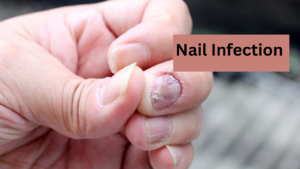
An infection can also cause a painful nail or soreness in the skin around it.
Fungal infections may cause changes such as nail thickening, discoloration, or changes in texture. Bacterial infections around the nail can cause redness, swelling, tenderness, or drainage.
Pain that occurs along with significant redness, swelling, pus, or worsening symptoms shouldn’t be treated as simple nail dryness. These signs may require medical evaluation.
4. Gel, Acrylic, or Artificial Nail Damage
Manicures can sometimes leave your natural nails feeling sore or sensitive.
Excessive filing can thin the nail surface, while aggressive removal of gel or acrylic products may damage the upper layers of the natural nail. Picking or peeling off artificial products can make the damage worse.
Some people may also develop irritation or sensitivity to certain nail products.
If your nails regularly hurt after getting manicures, consider taking a break from artificial nail products and giving your natural nails time to recover.
For more information, you can also read Why Are My Nails Thin After Gel?
5. Nail Biting or Picking
Biting your nails or repeatedly picking at the skin around them can cause irritation and soreness.
The skin around the nail may become tender, while repeated trauma can make the area more sensitive. Pulling at hangnails or loose pieces of skin can also create small breaks in the skin.
Keeping your nails neatly trimmed and avoiding picking can help reduce unnecessary irritation and protect the skin around your nails.
6. Inflammation Around the Nail
Sometimes the problem isn’t the nail itself but the skin surrounding it.
Inflammation around the nail fold can cause redness, tenderness, swelling, or warmth. A condition called paronychia can develop when the tissue around the nail becomes inflamed or infected.
Picking at your cuticles, biting the skin around your nails, or repeatedly exposing your hands to moisture and irritants may increase the risk.
If the swelling or pain continues to get worse, it’s a good idea to have the area evaluated by a healthcare professional.
7. Tight Shoes or Repeated Pressure
If you’re wondering “Why Do My Nails Hurt?” but the problem mainly affects your toenails, take a look at your footwear.
Shoes that are too tight or repeatedly press against your toes can put stress on the nails. You may notice the discomfort more after walking, running, or standing for long periods.
Choosing shoes that fit properly and leave enough room around your toes can help reduce unnecessary pressure on your nails.
8. Dry, Cracked, or Damaged Nails
Dry or damaged nails can become more sensitive, especially when they’re splitting, peeling, or cracking.
Frequent exposure to water, harsh products, acetone-based nail polish removers, or rough nail care can contribute to nail damage over time.
If a crack extends deeper into the nail or the surrounding skin becomes irritated, the area may feel sore when touched.
Gentle nail care and regular moisturizing can help protect your nails and the skin around them.
9. Other Health Conditions
Not every case of nail pain has an obvious explanation.
Certain health conditions can affect the nails or the skin around them, but nail pain alone isn’t enough to identify a specific medical problem. It’s better not to assume that soreness automatically means you have a vitamin deficiency or another serious condition.
If the pain keeps coming back without an obvious cause, affects several nails, or occurs along with other unusual nail or skin changes, talk with a healthcare professional. They can evaluate your symptoms and help determine what’s causing the discomfort.
Why Do My Nails Hurt When I Touch Them?
If your nail hurts when you press or touch it, there are several possible reasons.
A recent injury may leave the nail and the surrounding tissue tender for a while. Inflammation or an infection can also make the area more sensitive to pressure. If you’ve recently had your nails filed, picked at, or had artificial nails removed, the natural nail may be more sensitive than usual.
Pay attention to any other changes. Redness, swelling, drainage, discoloration, or pain that keeps getting worse can be signs that the problem needs to be evaluated by a healthcare professional.
Why Do My Nails Hurt After Gel or Acrylic Nails?
If your nail pain starts after a gel or acrylic manicure, the application or removal process may be responsible.
Over-filing can thin the natural nail, while forcefully removing gel or acrylic products can damage the surface. Peeling or picking off artificial nails can also remove layers of the natural nail and leave it feeling sore or sensitive.
If this happens regularly, consider taking a break from artificial nail services and giving your natural nails some time to recover. During the break, keep your nail care routine simple and gentle.
You can also read Why Are My Nails Thin After Gel? to learn more about nail changes that can occur after gel manicures.
How to Relieve Nail Pain at Home
What helps will depend on what’s causing the pain, but a few simple steps can protect an irritated nail while it heals:
- Give the affected nail a break from unnecessary pressure.
- Avoid biting, picking, or peeling the nail.
- Keep your nails clean and dry.
- Take a break from artificial nails if they seem to be irritating.
- Wear comfortable, properly fitting shoes if a toenail is sore.
- Avoid aggressive filing or buffing.
- Moisturize dry nails and the surrounding skin regularly.
It’s best not to use antibiotics, antifungal medications, or supplements just because a nail hurts. Different causes require different treatments, and a healthcare professional can help determine whether any medication or supplement is actually needed.
When Should You See a Doctor?
Not every sore nail needs medical attention, but certain symptoms are worth taking seriously.
Consider seeing a healthcare professional if you have:
- Severe or worsening pain
- Significant redness or swelling
- Pus or other drainage
- Fever along with nail or surrounding skin symptoms
- A nail that becomes very dark after an injury
- Pain that doesn’t seem to improve
- Repeated nail pain without an obvious cause
- Sudden changes affecting several nails
If you’re worried about a nail injury or possible infection, getting professional advice is safer than trying to figure out the cause on your own.
Medical Disclaimer: This article is for educational purposes only and is not a substitute for professional medical advice, diagnosis, or treatment.
How to Prevent Nail Pain
A few simple habits can help lower your chances of developing painful nail problems in the future.
Keep your nails at a comfortable length and avoid using them to open, scrape, or pick at things. Try not to bite your nails or pick at your cuticles, and be gentle when filing.
If you get regular manicures, avoid aggressive filing and never peel off gel or acrylic products. If your nails repeatedly become sore after manicures, consider taking a break from artificial nail services.
For toenails, choose shoes that fit comfortably and leave enough room for your toes. Constant pressure from tight footwear can contribute to soreness and other nail problems.
It’s also a good idea to wear gloves when using household cleaning products. Regularly moisturizing your hands, nails, and surrounding skin can help prevent excessive dryness and irritation.
FAQs: Why Do My Nails Hurt
Why do my nails hurt for no reason?
Nail pain can sometimes appear without an obvious injury. Possible causes include irritation, inflammation, infection, pressure, or previous nail damage. If the pain doesn’t go away or keeps coming back, consider having it evaluated by a healthcare professional.
Why does my nail hurt when I press on it?
Pain or tenderness when you press on a nail can occur after an injury, because of inflammation or infection, or due to damage to the nail surface. Look for other symptoms such as redness, swelling, drainage, or discoloration.
Why do my fingernails hurt?
Fingernail pain can be caused by an injury, nail biting, picking, manicure-related damage, inflammation, or infection. Sometimes the skin around the nail is actually the source of the discomfort.
Why do my toenails hurt?
Toenail pain can be caused by tight shoes, repeated pressure, an ingrown toenail, an injury, or an infection. If walking becomes painful or the toe becomes noticeably swollen or red, it’s a good idea to seek medical advice.
Can gel nails make your nails hurt?
Yes. Over-filing, aggressive removal, or irritation from certain nail products can leave natural nails feeling sore after a gel manicure. If this keeps happening, taking a break from gel products and switching to gentler nail care may help.
Can a nail infection cause pain?
Yes. Some infections affecting the nail or surrounding skin can cause tenderness, redness, swelling, discoloration, or drainage. Persistent or worsening symptoms should be evaluated by a healthcare professional.
Should I be worried if my nail hurts?
Not necessarily. A minor injury or temporary irritation can cause nail pain without being serious. However, severe pain, significant swelling, pus, fever, or symptoms that don’t improve should not be ignored.
Conclusion: Why Do My Nails Hurt
So, why do my nails hurt? The cause can be something as simple as a minor injury or repeated pressure, but nail pain can also be related to an ingrown nail, infection, inflammation, or damage from certain nail care habits.
Start by paying attention to what’s happening around the painful nail. Symptoms such as redness, swelling, drainage, discoloration, or worsening pain can provide useful clues about whether you need professional care.
For everyday nail health,