
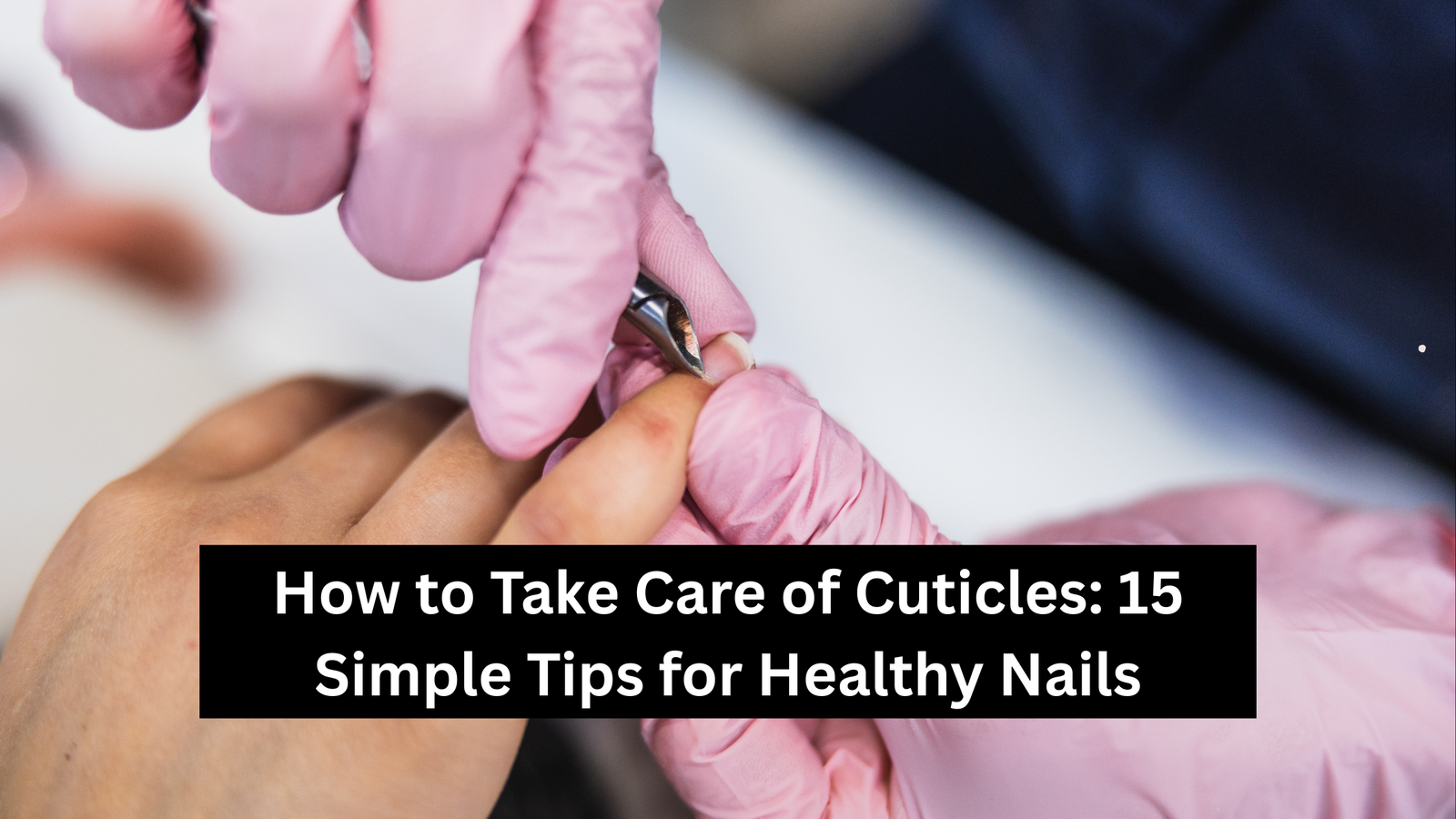
Introduction: How to Take Care of Cuticles
Well-maintained cuticles do much more than make your nails look neat—they help protect new nail growth and keep your nails healthy. Even so, they’re one of the most overlooked parts of a nail care routine. Many people focus on filing, painting, or strengthening their nails while paying little attention to the skin around them.
When cuticles become dry or damaged, they can crack, peel, and develop painful hangnails. In some cases, broken skin around the nails may also make it easier for bacteria to enter and cause irritation or infection.
If you’re wondering How to Take Care of Cuticles, you don’t need an expensive salon treatment or a shelf full of products. A few simple habits, like moisturizing every day, using cuticle oil, and protecting your hands from harsh chemicals, can go a long way toward keeping your cuticles soft and healthy.
In this guide, you’ll learn How to Take Care of Cuticles with an easy step-by-step routine, discover why cuticle care matters, avoid common mistakes, and find practical tips to keep your nails looking their best throughout the year.
What Are Cuticles?
Cuticles are the thin strip of skin that sits at the base of each nail. Although they’re small, they serve an important purpose by protecting the area where new nails grow.
They Protect New Nail Growth
Your cuticles form a natural seal over the nail matrix—the part of your finger responsible for producing new nail cells. This barrier helps block dirt, bacteria, and fungi from reaching the sensitive tissue underneath.
They Help Prevent Infection
Healthy cuticles reduce the chance of germs entering through tiny cracks around your nails. When cuticles become dry, damaged, or are cut too aggressively, the protective barrier weakens, making irritation and infection more likely.
Image Suggestion: Include a labeled nail anatomy diagram showing the cuticle, nail plate, nail matrix, and nail bed.
Why Is Cuticle Care Important?
Knowing How to Take Care of Cuticles isn’t just about appearance. Healthy cuticles protect your nails, reduce common nail problems, and help your hands look well cared for.
Supports Healthy Nail Growth
Every healthy nail starts at the nail matrix. Strong, well-moisturized cuticles help protect this area so new nails can grow in a healthy environment.
Helps Prevent Hangnails
Dry skin around the nails tears more easily, which often leads to painful hangnails. Keeping your cuticles moisturized makes the skin more flexible and less likely to split.
Reduces Dryness and Cracking
Daily hydration helps restore moisture, keeping cuticles soft instead of rough, flaky, or brittle.
Improves the Overall Appearance of Your Nails
While cuticle care won’t make your nails grow overnight, healthy cuticles make your hands look cleaner, smoother, and better maintained.
Step-by-Step: How to Take Care of Cuticles
You don’t need a complicated routine to keep your cuticles healthy. A few simple habits done consistently can make a noticeable difference.
Wash Your Hands Gently
Keeping your hands clean is important, but overwashing or using harsh soaps can strip away your skin’s natural oils.
Choose a mild hand soap whenever possible, wash with lukewarm water instead of hot water, and gently pat your hands dry rather than rubbing them with a towel.
Apply Cuticle Oil Every Day
One of the best things you can do for your cuticles is to use cuticle oil regularly.
It helps replenish lost moisture, softens rough skin, and keeps the area around your nails flexible.
Look for products that contain ingredients such as:
- Jojoba oil
- Vitamin E
- Sweet almond oil
- Avocado oil
Massage a small drop into each cuticle for about 30 seconds to help the oil absorb fully.
Moisturize Your Hands Regularly
Cuticle oil works even better when paired with a quality hand cream.
After every hand wash, apply moisturizer to replace the moisture your skin has lost. During colder months, a thicker cream can provide extra protection against dryness.
Push Back Cuticles Instead of Cutting Them
Many people believe trimming cuticles is necessary, but that’s rarely the case.
After a shower or a short soak in warm water, gently push your softened cuticles back using a wooden cuticle stick or a soft cuticle pusher. Avoid applying too much pressure, as this can damage the protective barrier around the nail.
Trim Hangnails Carefully
If you notice a hangnail, resist the urge to pull or bite it.
Instead, use sanitized nail clippers or manicure scissors to trim only the loose piece of skin. Pulling a hangnail can tear healthy skin and increase the risk of irritation.
Wear Gloves During Household Chores
Cleaning products, dish soap, and long periods of water exposure can dry out both your hands and your cuticles.
Wearing rubber gloves while cleaning helps protect your skin from harsh chemicals and reduces moisture loss.
Limit Exposure to Harsh Chemicals
Products such as acetone nail polish removers and strong household cleaners can leave your cuticles feeling dry and irritated.
Whenever possible:
- Choose an acetone-free nail polish remover.
- Moisturize your hands after cleaning.
- Apply cuticle oil once your hands are dry.
Stay Hydrated
Drinking enough water supports healthy skin throughout your body, including the skin around your nails. While hydration alone won’t solve dry cuticles, it works best alongside a consistent moisturizing routine.
Eat a Nutrient-Rich Diet
Healthy nails and cuticles start from within. Eating a balanced diet that includes protein, healthy fats, vitamins, and minerals helps support healthy skin.
Foods such as eggs, salmon, beans, nuts, seeds, and leafy green vegetables provide nutrients that contribute to stronger nails and healthier-looking cuticles.
Instead of relying on a single supplement, aim for a varied diet filled with whole, nutrient-rich foods.
Daily Cuticle Care Routine
Taking care of your cuticles doesn’t have to be time-consuming. In fact, a few minutes of daily care can do more for your nails than occasional salon treatments. The key isn’t buying expensive products—it’s building a routine you can stick with.
When you moisturize your cuticles consistently, they’re less likely to become dry, cracked, or develop painful hangnails.
| Time | What to Do |
|---|---|
| Morning | Apply a moisturizing hand cream after washing your hands. |
| After Hand Washing | Reapply hand cream whenever your hands start to feel dry. |
| Before Bed | Massage cuticle oil into each nail, then seal in moisture with a rich hand cream or a thin layer of petroleum jelly. |
| Once a Week | Gently push back softened cuticles and trim only loose hangnails if necessary. |
Pro Tip: Consistency always beats expensive products. A simple routine followed every day will usually deliver better results than occasional treatments.
Best Ingredients for Healthy Cuticles
Not every moisturizer is designed to care for dry cuticles. Choosing products with the right ingredients can make a noticeable difference in keeping the skin around your nails soft and healthy.
| Ingredient | How It Helps |
|---|---|
| Jojoba Oil | Deeply moisturizes and absorbs quickly without feeling greasy. |
| Vitamin E Oil | Nourishes dry skin and helps support the skin’s natural barrier. |
| Shea Butter | Provides rich, long-lasting moisture for rough or cracked cuticles. |
| Glycerin | Draws moisture into the skin to keep cuticles hydrated for longer. |
| Petroleum Jelly | Locks in moisture overnight and protects severely dry skin. |
If you have sensitive skin, fragrance-free products are often the gentlest choice.
Common Mistakes That Can Damage Your Cuticles
Sometimes it’s not what you do—it’s what you keep doing that prevents your cuticles from healing. Avoiding these common habits can make a big difference.
Cutting Your Cuticles
Your cuticles act as a protective seal around the base of your nails. Cutting them too often can weaken that barrier and make it easier for bacteria or fungi to enter.
Pulling Hangnails
It may be tempting to pull off loose skin, but doing so can tear healthy skin, cause bleeding, and increase the risk of infection. Always trim hangnails carefully with clean nail clippers.
Using Acetone Too Frequently
Acetone is effective at removing nail polish, but it also strips moisture from your nails and cuticles. If you use it regularly, follow up with cuticle oil and a moisturizing hand cream.
Forgetting to Moisturize
One of the biggest reasons cuticles become dry is simply skipping moisturizer. Applying hand cream after washing your hands helps replace lost moisture before dryness becomes a problem.
Washing With Very Hot Water
Hot water removes your skin’s natural oils much faster than lukewarm water. Choosing warm water instead can help your cuticles retain moisture.
Biting Your Nails or Cuticles
Nail biting doesn’t just damage your nails—it can also injure your cuticles and create tiny openings where bacteria can enter.
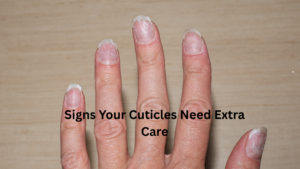
Signs Your Cuticles Need Extra Care
Your cuticles usually give clear signs when they need more attention. If you notice any of the following, it’s a good time to improve your nail care routine:
- Dry or rough skin around the nails
- Peeling cuticles
- Cracks near the nail base
- Frequent hangnails
- Redness or irritation
- Tenderness when touched
- Tight, uncomfortable skin
- Small painful tears
Treating these signs early can help prevent more serious problems later.
Can Healthy Cuticles Improve Nail Growth?
Many people believe that using cuticle oil makes nails grow faster, but that’s a common misconception.
Healthy cuticles don’t directly speed up nail growth. Instead, they protect the nail matrix—the area where new nails develop. When this area stays healthy and well-protected, your nails are more likely to grow strong and remain less prone to breakage.
When Should You See a Doctor?
Most dry or damaged cuticles improve with regular home care. However, it’s a good idea to see a healthcare professional if you experience:
- Severe pain
- Swelling around the nail
- Pus or drainage
- Persistent redness
- Frequent bleeding
- Signs of infection
- Symptoms that don’t improve after several weeks
Medical Disclaimer: This article is for educational purposes only and should not replace professional medical advice, diagnosis, or treatment.
FAQs: How to Take Care of Cuticles
How often should I use cuticle oil?
For most people, applying cuticle oil once or twice a day is enough to keep cuticles moisturized and healthy.
Should I cut my cuticles?
No. It’s generally better to soften your cuticles and gently push them back rather than cutting them.
Can dry cuticles cause hangnails?
Yes. Dry, cracked skin around the nails is one of the most common causes of hangnails.
What ingredients are best for dry cuticles?
Products containing jojoba oil, shea butter, glycerin, or vitamin E are excellent choices for keeping cuticles hydrated.
How can I prevent cracked cuticles?
Moisturize regularly, use cuticle oil daily, wear gloves while cleaning, and avoid harsh soaps whenever possible.
Do cuticles grow back?
Yes. Cuticles naturally regrow over time, which is another reason they shouldn’t be cut aggressively.
Can hand sanitizer dry out cuticles?
Frequent use of alcohol-based hand sanitizer can dry the skin around your nails, especially if you don’t moisturize afterward.
Is it safe to push back cuticles?
Yes, as long as they’re softened first and you push them back gently without using excessive force.
Does cuticle care improve nail health?
Healthy cuticles help protect new nail growth, reduce irritation, and support stronger, healthier-looking nails.
Why do my cuticles keep getting dry?
Dry cuticles are often caused by frequent hand washing, cold weather, harsh soaps, acetone-based nail polish removers, or simply not moisturizing often enough.
Conclusion: How to Take Care of Cuticles
Learning How to Take Care of Cuticles is easier than most people think. You don’t need expensive treatments or a complicated routine to keep your cuticles healthy. Simple habits—like applying cuticle oil, moisturizing your hands regularly, protecting your skin from harsh chemicals, and avoiding damaging habits—can make a noticeable difference over time.
Healthy cuticles help protect new nail growth and contribute to stronger, healthier-looking nails. While you won’t see dramatic results overnight, staying consistent with your daily routine is the best way to keep your cuticles soft, smooth, and well cared for.
If your cuticles remain swollen, painful, or show signs of infection despite proper care, don’t ignore the symptoms. A healthcare professional can determine whether an underlying condition is causing the problem and recommend the most appropriate treatment.